
The supplement industry is massive, especially when it comes to products marketed toward women. From fat burners to hormone balancers to “mitochondrial boosters,” the promises are big. The evidence, however, often is not.
When you look closely at the research, a more restrained and practical picture emerges. Most supplements simply are not well studied in women. And while a few have real value, many are overhyped, misunderstood, or misapplied.
What Supplements Actually Work for Women?
From a performance and health standpoint, there are only a small number of supplements with solid, consistent evidence behind them for women.
Protein
Protein sits at the top of the list. Whether through whole foods or protein powders, adequate protein intake supports muscle maintenance, recovery, and overall metabolic health. This is especially important for women as they age.
Creatine
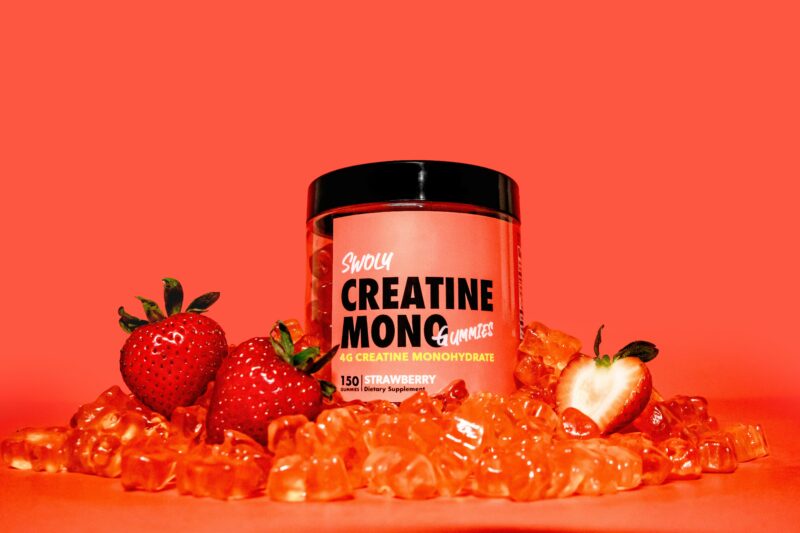
Creatine is another supplement with strong research backing. It has clear benefits for strength, muscle performance, and overall health. Despite lingering myths, creatine is safe for women and does not cause unwanted bulk. It can be particularly helpful for maintaining lean mass over time.
Beta-alanine
Beta-alanine also has good research support, especially for high-intensity exercise. It can help improve muscular endurance, though its benefits are most noticeable in specific training contexts.
Beyond these, the evidence starts to thin out quickly.
Supplements That Sound Good but Often Miss the Mark
Many supplements pushed for fat loss, energy, or “metabolic optimization” are either poorly studied or not studied in women at all. In many cases, the data comes from animal studies or from male participants, then gets broadly marketed to women without appropriate testing.
A good example is nitrates. Nitrates can improve blood flow and performance through vasodilation, but their effects differ depending on hormonal status. In younger women who are still in their reproductive years, nitrates may actually decrease performance. In postmenopausal women, however, they can be beneficial. The difference appears to be related to estrogen and its role in the nitric oxide cycle, which influences blood vessel control.
This highlights a bigger issue: women are not a single physiological category. Age, hormonal status, and life stage matter.
Vitamin D, Iron, and Timing Matters
Some nutrients fall into a different category altogether. Vitamin D, for example, does work, but how and when it’s used matters. Post-training supplementation may help reduce hepcidin levels, which in turn supports better iron absorption. This can be particularly relevant for women who struggle with low iron.
That said, supplementation should be guided by actual need. Blindly adding supplements without blood work or clinical context often leads to wasted money rather than better health.
Why So Many Supplements Feel Like They’re Working
Many people report feeling better after starting a supplement. Sometimes that’s real. Often, it’s not the supplement alone.
When someone begins supplementing, they usually also start paying more attention to how they feel. They clean up their diet. They sleep more. They train more consistently. Those changes matter far more than most pills or powders.
So yes, placebo plays a role. But more accurately, it’s the combination of increased awareness and improved habits that drives results.
Adaptogens
Adaptogens are natural substances from plants and mushrooms that help the body manage stress, fatigue, and imbalance by regulating systems like the nervous, hormonal, and immune responses, working to bring the body back to a stable state. They are often lumped in with general supplements, but they don’t really belong in the sport supplements category. They act through different mechanisms and may help some individuals manage stress or fatigue. Still, responses vary widely, and they should be approached on a case-by-case basis rather than as a universal solution.
Why Percent Body Fat Isn’t the Whole Story
One of the most important points for women, especially those over 35, is to look beyond surface-level metrics like percent body fat.
DEXA scans often reveal a more complex picture. A woman may appear lean, exercise regularly, and have good muscle mass and bone density, yet still carry high levels of visceral fat. Visceral fat is far more closely tied to long-term health risk than overall body fat percentage.
This is why focusing solely on weight or visible leanness can be misleading. Health is not just about how you look. It’s about what’s happening internally.
Conclusion
For women’s health and performance, supplements should play a supporting role, not a leading one.
Protein, creatine, and beta-alanine are worth considering. Vitamin D and iron may be helpful when there’s a demonstrated need. Beyond that, much of the supplement industry is built on thin evidence and big marketing claims.
Long-term health, fat loss, muscle building, and longevity are driven primarily by consistent training, good nutrition, adequate sleep, and realistic expectations. Supplements can help at the margins, but they are rarely the difference-maker.
If something works for you individually, that matters. But it’s worth remembering that feeling better does not automatically mean the supplement itself was the cause.
Focus on the fundamentals first. Everything else should earn its place.