

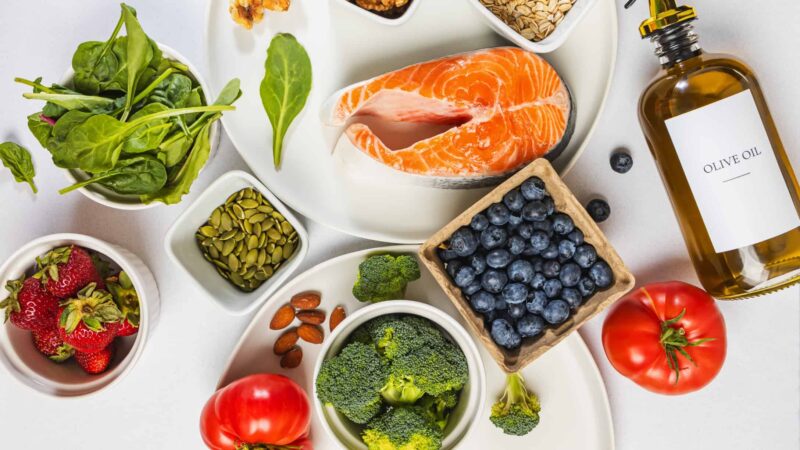
Excessive inflammation can drive fatigue, pain, brain fog and even accelerate ageing.
But you can lower it naturally with food. So here are 10 anti-inflammatory foods I eat most days.
1. Berries
A handful of berries a day can do more for inflammation than most supplements. Their power
comes from anthocyanins, the pigments that give them their deep blue, purple and red
colours. These compounds lower inflammatory messengers like CRP and TNF-α. Studies
using one to two cups of blueberries or blackcurrants a day showed healthier blood vessels
and a lower risk of heart disease. I keep frozen berries in the freezer for oats and yoghurt,
and when they’re in season, I eat them fresh as a snack or dessert.
CRP, or C-reactive protein, is a protein made by the liver that increases in the blood when
there is inflammation or tissue damage.
TNF-a, or tumor necrosis factor alpha, is an inflammatory cytokine (a type of signaling
protein) produced by immune cells like macrophages and lymphocytes. It plays a critical
role in immune system by triggering inflammation, helping to fight infections and cancer,
and regulating cell death (apoptosis).
2. Dark leafy greens
Spinach, kale, rocket and chard are like nature’s multivitamin. They’re rich in carotenoids
such as lutein, which help shield cells from oxidative stress. Just 80 grams a day, about two
handfuls, was linked to slower brain ageing in one long-term study, the equivalent of being 11
years younger. Around the world, every culture has a daily green on the plate, from Indian
saag to Kenyan sukuma wiki. I throw them into smoothies, sauté them with garlic, or addthem to soups and stir-fries.
3. Sprouts
Sprouts are tiny plants at their most powerful stage. Broccoli sprouts in particular are rich in
sulforaphane, which activates your body’s detoxification pathways. In one trial, 30 grams of
broccoli sprouts a day dropped inflammatory markers by up to 59% after 10 weeks. You can
grow them on your kitchen counter in five days. I pile them on avocado toast, grain bowls or
salads for crunch and potency.
4. Extra virgin olive oil
Olive oil is more than cooking fat, it’s liquid anti-inflammatory. The polyphenols, especially
oleocanthal, work on the same pathway as ibuprofen to lower inflammatory messengers. Just
half a tablespoon a day has been linked to a 28% lower risk of dying from dementia-related
causes. But quality is key. Go for cold-pressed oil in a dark glass bottle, check the harvest
date and taste for that peppery hit at the back of your throat. I use two to three tablespoons a
day, drizzled on vegetables, soups or salads.
5. Nuts
Nuts often get a bad rap because they’re high in calories, but these are nutrient-dense
calories your body thrives on. A daily handful, around 28 grams, is linked to lower
inflammation and almost 20% lower risk of heart disease. Each nut has its strength, so I mix
them. I keep a jar on the counter and grab a handful most days, or scatter them on oats and
salads.
6. Seeds
Seeds are tiny capsules of plant protein, fibre and polyphenols. Flax is especially powerful.
Just 10–30 grams a day can lower CRP and TNF-α. Sesame seeds contain sesamin, which
protects blood vessels. Even sunflower seeds bring vitamin E and healthy fats. I add ground
flax to oats, tahini to dressings and sesame seeds to stir-fries. You only need a tablespoon or
two daily to get benefits.
7. Legumes
Beans and lentils are one of the best everyday anti-inflammatory foods. Their fibre feeds gut
microbes, which produce short-chain fatty acids that strengthen the gut barrier. They also
keep blood sugars steady and are rich in polyphenols. Eating about 400 grams a week, or 60
grams a day, is linked to a lower risk of cancer and heart disease. I stir chickpeas into salads,
blend beans into dips or swap half the meat in pasta sauce for lentils.
Polyphenols are a diverse group of antioxidant compounds naturally found in plants like
fruits, vegetables, tea, dark chocolate, and wine. They are associated with numerous
health benefits, such as reducing inflammation and risk of chronic diseases like cancer,
heart disease, and neurodegenerative disorders.
8. Wholegrains
Wholegrains often get written off as ‘just carbs’, but they’re great sources of fibre and plant
compounds that help lower inflammation. The colourful ones are extra special. In one study,
pasta made with red sorghum increased antioxidant defences compared to wheat or white
sorghum. But any wholegrain is great. Buckwheat is rich in rutin, a flavonoid that helps protect
blood vessels, while black rice contains anthocyanins, the same compounds that give berries
their colour and anti-inflammatory power. Swapping white rice for buckwheat, quinoa or
whatever wholegrain you have is such an easy way to lower inflammation without really
changing your meal.
9. Spices
We only use a little, but spices are concentrated sources of anti-inflammatory compounds.
Gingerols in ginger lower CRP and TNF-α. Curcumin in turmeric has been shown to ease
pain as well as mild doses of ibuprofen. And nigella seeds, used for centuries in Middle
Eastern cooking, have strong evidence for lowering inflammation in clinical trials. You only
need about a teaspoon a day. I grate ginger into stir-fries, stir turmeric into scrambled eggs
and add nigella to dressings. Again, quality is key. Buy whole spices when you can and grind
them fresh to preserve the polyphenols.
10. Anti-inflammatory drinks
It’s not just about what you eat. Drinks high in polyphenols are another great way to add more
anti-inflammatory benefits to your day. For example, green tea and matcha are rich in EGCG,
shown to lower CRP and improve blood vessel function. Cacao brings flavanols that support
blood flow. And coffee, when made with good-quality beans, provides chlorogenic acids that
reduce oxidative stress. The only catch is avoiding added sugar. I make these at home and
rotate them through the week.
EGCG stands for “epigallocatechin-3-gallate”, a powerful antioxidant and the most
abundant catechin found in green tea. It is studied for a wide range of potential health
benefits, including antioxidant, anti-inflammatory, and anti-cancer properties, and is being
researched for its use in treating conditions such as cardiovascular diseases, certain
cancers, and skin and hair disorders. It can be found in green tea and is also available in
supplements.
Shortcut for easy remembering
If this list feels a bit long, I use a simple shortcut called “BBGS”. That’s berries, beans, greens
and seeds (and nuts). If I get those in most days, I know I’m covering my anti-inflammatory
base. It doesn’t have to be at every meal. Just weaving them in regularly builds up over time,
and that consistency is what really makes the difference.