
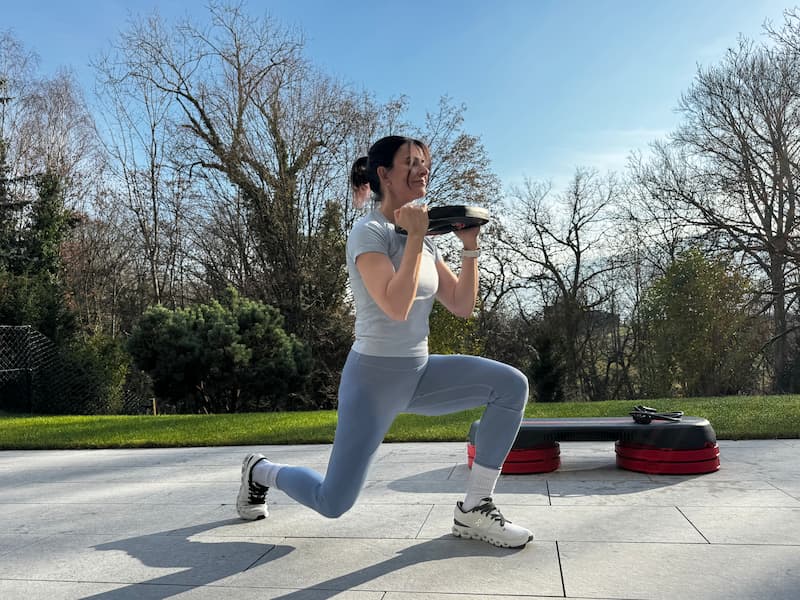
I’ve been living with Irritable Bowel Syndrome for almost a decade now. My symptoms began around the same time I entered the intense phase of pre- and post-menopause, which brought its own physical and emotional challenges.
On top of that, I went through a hemorrhoids surgery in 2017, and the recovery period made my digestion even more sensitive. Over the years I’ve had to navigate discomfort, unpredictability, and moments of deep frustration—but also discovery, resilience, and a much deeper understanding of my body.
My experience has taught me that IBS is not “just a stomach and intestines problem”—it’s a condition that touches your energy, your confidence, your mood, and your daily life. And it’s also something that can be managed and softened with the right lifestyle tools, from nutrition and movement to stress awareness and gentle self-care.
I know through the experience that living with Irritable Bowel Syndrome (IBS) can feel unpredictable and frustrating. One day everything is fine; the next, your digestion is sensitive, uncomfortable, or completely out of balance. IBS affects millions of people worldwide and, although it’s not dangerous, it can deeply impact daily life and emotional well-being.
The good news? Lifestyle choices—especially nutrition and exercise—can significantly reduce symptoms and help restore comfort, confidence, and control.
Let’s explore how.
What Is IBS?
IBS is a functional gastrointestinal disorder that affects how the gut works. Symptoms vary from person to person, but the most common include:
👉Abdominal bloating or discomfort
👉Irregular bowel habits (diarrhea, constipation, or both)
👉Gas and cramping
👉Food sensitivities
👉A feeling of incomplete digestion
IBS is often influenced by three key factors: diet, stress, and gut sensitivity.
That’s why a holistic approach—rather than a single solution—tends to work best.
Nutrition & IBS: What Really Helps
Nutrition plays a central role in managing IBS.
There is no one “IBS diet,” but several principles consistently help calm symptoms and give the digestive system more stability.
1. The Power of the Low-FODMAP Approach
FODMAPs are fermentable carbohydrates that some digestive systems struggle to break down, causing gas, bloating, and discomfort.
Common high-FODMAP foods include onions and garlic, wheat products, legumes, some vegetables, milk and soft cheeses.
A low-FODMAP diet—usually done under guidance—can reduce symptoms for many people.
After reducing FODMAPs for a few weeks, foods are slowly reintroduced to identify triggers.
2. Eating Patterns Matter as Much as Food Choices
It’s not just what you eat, but how you eat.
Helpful habits include:
👉Eating slowly and chewing well
👉Avoiding heavy meals late at night
These simple habits support better digestion and reduce the burden on a sensitive gut.
3. Hydration Helps the Entire Digestive System
Water supports movements in the digestive tract, prevents constipation, and reducescramping.
Herbal teas—like peppermint, chamomile, or ginger—can also help soothe the gut.
4. Identify Your Personal Trigger Foods
Common triggers include caffeine, alcohol, spicy foods, some vegetables (broccoli, cabbage,…), fried foods, artificial sweeteners, casein protein (which contains A1 type beta-casein).
Not all triggers affect everyone. Keeping a simple food-symptom journal for two weeks can reveal valuable patterns.
Exercise & IBS: Why Movement Makes a Big Difference
Many people are surprised to learn how strongly the gut and the nervous system are connected – including myself.
Exercise positively affects both—which is why it can be one of the most effective IBS-management tools.
Here’s how movement helps:
1. Reduces Stress and Anxiety
IBS symptoms often flare when stress levels rise. When I am anxious, worried or even too happy, I can not get out of the bathroom to be honest.
Exercise releases endorphins, reduces stress hormones, and brings more balance to the nervous system.
Even 20–30 minutes of daily movement can immensely reduce digestive discomfort.
2. Improves Gut Motility
Gentle to moderate exercise helps support natural bowel movement, easing both constipation and bloating.
Great options include cycling, pilates, swimming, jogging.
3. Strengthens the Core and Supports Digestion
Strong core muscles promote better posture, breathing, and abdominal support—all of which indirectly help the digestive system function more smoothly.
Options like Pilates or functional training are especially effective.
4. Promotes Better Sleep
Quality sleep lowers inflammation, supports gut health, and improves overall resilience.
Exercise is one of the most natural ways to improve sleep rhythm.
Stress Management: The Missing Piece
Because the gut and the mind are deeply interconnected, stress can amplify IBS symptoms dramatically.
Complement nutrition and exercise with practices such as:
👉Breathwork
👉Short daily stretching sessions
👉Meditation
👉Yoga
👉Moments of stillness or grounding
Even 10 minutes a day can make a noticeable difference.
Managing IBS is a personal journey, and improving symptoms often comes from a combination of smart food choices, gentle movement, stress reduction, consistent habits.
The goal is not perfection—it’s progress, comfort, and a better quality of life.
By listening to your body and choosing routines that nourish your gut and mind, you can build a lifestyle that supports long-term digestive health and overall well-being.


Even when we see the potential value of dropping our egos, we know it’s not possible for to remain in a state of bliss indefinitely.
It’s that inner knowing that keeps us going, even when we don’t understand how it all works.