

We’re often told that weight management is simple. Calories in versus calories out. If you eat more than you burn, you gain weight. If you eat less, you lose it.
That idea is technically true. The problem is that we can’t actually measure either side with any real precision.
Calories matter, but counting them is far messier than most people realise.
You can’t measure calories going in
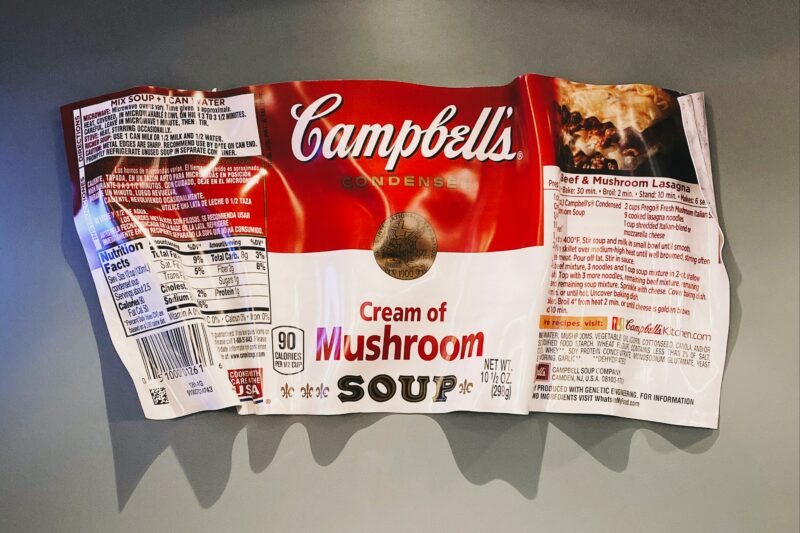
Food labels look authoritative. A number is printed right there on the package, so it feels exact. It isn’t.
In many countries, food labels are legally allowed to be off by as much as 20 percent. That means a 500-calorie meal could actually be 400 calories. Or 600. You don’t know which.
That margin grows even larger when you factor in portion sizes, cooking methods, and individual digestion. Two people can eat the same meal and absorb different amounts of energy from it. Even the same person can absorb different amounts on different days.
So when you log food in an app and think you’ve nailed your intake, you’re really working with a rough estimate.
You can’t measure calories going out either
On the other side of the equation is energy expenditure. This is even harder to pin down.
Fitness trackers estimate calories burned using heart rate, movement, body weight, and algorithms. They’re useful for spotting trends, but they’re not precise. Many studies show they can be off by 20 percent or more.
Your metabolism also isn’t fixed. Sleep, stress, illness, hormones, and prior dieting all change how many calories you burn at rest. Two days that look identical on paper can have very different energy costs inside your body.
So the “calories out” number is also a guess.
Small errors add up fast
Here’s where things get uncomfortable.
Even a small daily mismatch between intake and expenditure can have large effects over time. A 5 percent surplus doesn’t sound like much. But sustained over months or years, it can lead to significant weight gain.
The reverse is also true. A modest deficit can cause weight loss, but it often comes with side effects.
When intake drops too far below what your body expects, hunger increases, energy drops, mood worsens, and food thoughts become constant. For many people, even a 10 percent deficit can make daily life feel miserable.
That’s not a failure of willpower. It’s biology pushing back.
Why calorie math feels so frustrating
People blame themselves when calorie tracking doesn’t work. They assume they’re bad at counting or not disciplined enough.
In reality, the system itself is noisy and imprecise. You’re trying to manage your body using numbers that may already be 20 percent wrong on both ends. When those errors stack, it’s easy to overshoot or undershoot without realizing it.
This is why two people can follow the same plan and get completely different results. It’s also why progress often stalls or reverses even when someone is “doing everything right.”
A more realistic way to think about calories
Calories still matter. Energy balance still exists. But treating calorie numbers as exact targets sets people up for frustration.
A more useful approach is to see calorie tracking as a rough guide, not a contract. Trends matter more than daily precision. How your body responds over weeks matters more than hitting a specific number each day.
Pay attention to signals that numbers can’t capture easily. Hunger, fullness, energy, sleep, strength, and mood all provide feedback that calorie apps can’t.
Calories count, but they can’t be counted cleanly. Once you accept that, the goal shifts from perfect control to workable, sustainable habits that your body can actually live with.