

In today’s busy world, many of us juggle work, family, stress, and health all at once—often without realizing how deeply these factors affect our bodies.
One of the most common yet overlooked issues affecting energy, weight, mood, and long-term wellbeing is insulin resistance.
You may have heard the term before, but what does it really mean? And more importantly, what can you do about it?
Let’s break it down in a simple, empowering way.
What Is Insulin and Why Do We Need It?
Insulin is a hormone produced by your pancreas. Think of it as a “key” that unlocks your cells so glucose (sugar) from your food can enter and be used as energy.
Every time you eat—especially carbohydrates—your blood sugar rises. Your pancreas releases insulin to bring sugar back down to a normal level. This is completely normal and healthy.
So What Is Insulin Resistance?
Insulin resistance happens when your cells stop responding properly to insulin.
Imagine knocking on a door that no longer opens easily. Your body responds by producing even more insulin to get glucose into your cells. Over time, this leads to:
👉Higher insulin levels
👉Higher blood sugar
👉More fat storage (especially around the belly)
👉Increased inflammation
👉More cravings and energy crashes
If left unmanaged, insulin resistance can progress to prediabetes or type 2 diabetes.
Common Signs of Insulin Resistance
You can’t diagnose insulin resistance without medical tests, but many people notice certain patterns. These may include:
👉Constant fatigue
👉Difficulty losing weight despite effort
👉Intense cravings, especially for sweets or carbs
👉Belly fat
👉Feeling hungry soon after eating
👉Brain fog
👉Hormonal imbalance
👉Skin changes (like dark patches around the neck)
These signs don’t always mean you have insulin resistance—but they can be clues worth paying attention to.
(Always see a healthcare professional for diagnosis or medical advice.)
Why Does Insulin Resistance Happen?
There’s rarely a single cause. It’s more like a combination of modern lifestyle factors:
1. Highly processed foods
Frequent spikes in blood sugar overwork your insulin system.
2. Low physical activity
Muscles are the biggest “sugar burners” in the body. When we move less, our cells become less responsive to insulin.
3. Chronic stress
Stress hormones (like cortisol) push your body to store fat and raise blood sugar.
4. Poor sleep
Just one night of bad sleep can reduce insulin sensitivity.
5. Hormonal changes
Especially in women during perimenopause and menopause.
6. Genetics and family history
Your biology plays a role—but your lifestyle is still powerful.
The Good News: Insulin Resistance Is Highly Reversible
This is where empowering, realistic lifestyle changes make all the difference.
Here are science-backed strategies you can start implementing gently and sustainably:
1. Prioritize Balanced Meals
Aim for meals that keep blood sugar steady:
👉Protein (grass fed meat, organic chicken, wild fish, non-GMO tofu, free-range eggs)
👉Healthy fats (olive oil, avocado, nuts)
👉Colourful vegetables
👉Whole grains or slow-digesting carbs
Think: fuel your body, don’t spike your body.
2. Move Your Body Daily
You don’t need extreme workouts. In fact, steady, consistent movement works best:
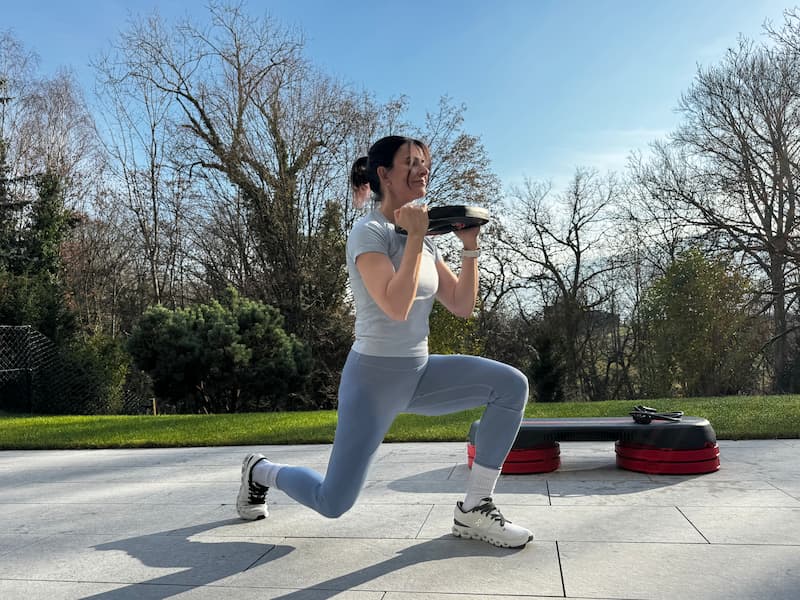
👉Strength training (even 2–3 times a week makes a huge difference)
👉Walking after meals
👉Low-impact cardio
👉Stretching and mobility
👉Yoga or Pilates
Every bit of movement increases your cells’ sensitivity to insulin.
3. Reduce Stress Gently
Chronic stress makes it harder for your body to regulate insulin. Try:
👉Breathwork
👉Short mindfulness pauses or meditation
👉Relaxed walking
👉Journaling
👉Setting healthy boundaries
👉Time in nature
Small daily practices are better than long occasional ones.
4. Support Your Sleep
Quality sleep resets your hormones. Try:
👉A calming evening routine
👉Screens off 1 hour before bed
👉Consistent bedtime
👉Light snacks instead of heavy dinners
It’s often the simplest habits that have the biggest impact.
5. Bring Awareness Instead of Perfection
You don’t need a strict diet. You don’t need to eliminate foods you enjoy. You don’t need to aim for perfection.
You just need to build awareness and choose what supports your body’s energy, balance, and joy
A Mindful Approach to Insulin Resistance
At its core, insulin resistance is not a life sentence—it’s a signal.
A message from your body saying: “Please take care of me. Please slow down. Please nourish me.”
With compassionate guidance, sustainable habits, and a supportive routine, your body can become more balanced, energetic, and resilient.
Your health is not about restriction.
It’s about connection—to your body, your emotions, and your daily rhythms.
You’re Not Alone
Many women—especially over 40 or 50—experience insulin resistance without even knowing it.
Working with a coach can help you:
👉understand your body’s signals
👉create a routine that fits your lifestyle
👉rebuild energy
👉overcome what holds you back
👉feel strong and confident again
With pure heart,
Sanem


Yoga is for all bodies: short or tall, lean or overweight, flexible or stiff, open or reserved, young or old.
All yoga classes are different and have different goals. Some classes, such as Gentle Restorative and Yin, are geared towards relaxation.